


 Language: English













Solutions
Horse Construction offers full range of structural strengthening materials with technical supports, documentation supports, products supports, project supports.
Which Bridges Used Segmental Bridge Adhesive?

Many world-renowned bridges employ segmental precast adhesive bonding technology (i.e., using specialized epoxy resin adhesive for segmental bonding and assembly). This technology originated in Europe in the 1960s and has gradually spread globally. Below are some typical application examples:
Examples of Bridges Using Precast Adhesive Bonding Technology
Long Key Bridge, USA: Built in the 1970s, approximately 3.6 kilometers long, it was constructed using segmental assembly span by span and is one of the earliest long bridges in the United States to utilize precast segmental adhesive bonding technology.
Seven Mile Bridge, USA: Located in Florida, approximately 11.3 kilometers long, some sections of which used segmental precast adhesive bonding technology.
Bang Na Bridge, Thailand: Completed in 2000, 55 kilometers long, it was at the time the world's largest bridge built using segmental assembly span by span, extensively using precast concrete segments bonded with epoxy adhesive.
The Quebec Bridge (partial expansion section), Canada: Although the main bridge is a traditional steel truss structure, its later railway approach bridges utilized precast segmental glued assembly technology.
Several cross-sea bridges in Japan: Such as parts of the Akashi Kaikyo Bridge's approach bridges and the Seto Ohashi Bridge project, all applied segmental precast glued assembly technology to improve construction accuracy and efficiency.
The Padma Bridge, Bangladesh: Facing numerous unfavorable factors such as a long track, diverse curve types, tight construction schedule, high safety risks, harsh natural environment, and a persistent high incidence of the pandemic, China Railway Bridge Bureau innovatively adopted segmental precast glued assembly construction technology for railway viaduct box girders.
China first adopted prefabricated segmental assembly in March 2001 with the Liuhua Bridge in Shanghai (the entire bridge consists of 156 segments), followed by the second phase of the Shanghai-Minhang Elevated Road in 2003. The Sutong Bridge began segmental assembly construction in 2005, almost simultaneously with Guangzhou. The Guangzhou project is an urban rail project, while the other three projects are all highway bridges.

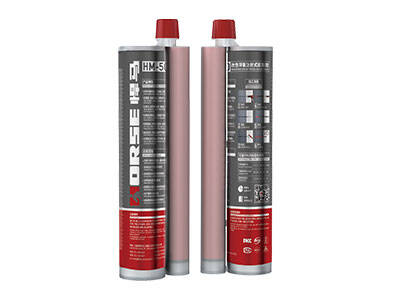
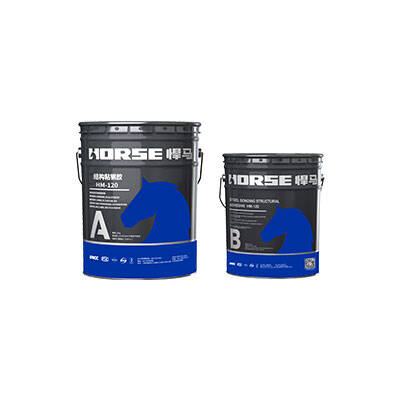
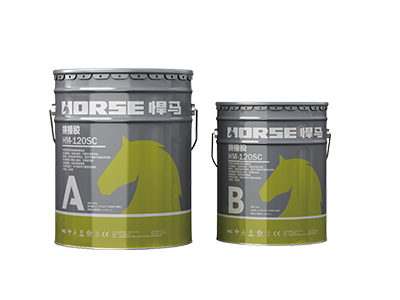
Precast segment splicing adhesive refers to a special structural adhesive composed of two components, A and B, which is used for bonding and sealing between precast segments. It consists of modified epoxy resin and a curing agent.


Key Commonalities: Why do these mega-projects use segment bridge adhesive?
Strength Matching: The adhesive strength is comparable to C50/C60 concrete, ensuring reliable force transmission.
Controllable Precision: Factory prefabrication + adhesive assembly results in millimeter-level accuracy and strong structural integrity.
Durable Sealing: Waterproof, salt spray resistant, and anti-aging, protecting prestressed concrete and reinforcing steel.
Rapid Construction: Reduces construction time by 50%+ and minimizes on-site operational risks.
You can find anything here you are in need of, have a trust trying on these products, you will find the big difference after that.

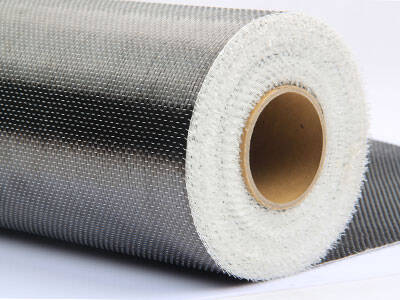
High strength, unidirectional carbon fiber wrap pre-saturated to form a carbon fiber reinforced polymer (CFRP) wrap used to strengthen structural concrete elements.

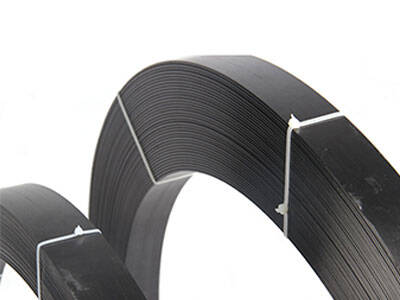
High strength carbon fiber reinforced polymer (CFRP) strip / laminate / plate for structural strengthening and concrete repair

Prestressed carbon fiber reinforced polymer(CFRP) plate for slab, beam strengthening to increase stiffness, reduce distortion and deflection of members, reduce the cracks, avoid and stop cracking.
